Research Papers

Working Papers

Newest first.

Empirical Tests of the Green Paradox for Climate Legislation

with Maya A. Norman

Abstract

The Green Paradox posits that fossil fuel markets respond to changing expectations about climate legislation, which limits future consumption, by shifting consumption to the present through lower present-day prices. We demonstrate that oil futures responded negatively to daily changes in the prediction market's expectations that the Waxman-Markey bill — the US climate bill discussed in 2009-2010 — would pass. This effect is consistent across various maturities as the proposed legislation would reset the entire price and consumption path, unlike temporary supply or demand shocks that phase out over time. The bill’s passage would have increased current global oil consumption by 2-4%. Furthermore, a strengthening of climate policy, as measured by monthly variations in media salience regarding climate policy over the last four decades, and two court rulings signaling limited future fossil fuel use, were associated with negative abnormal oil future returns. Taken together, our findings confirm that restricting future fossil fuel use will accelerate current-day consumption.

Institutions and Global Crop Yields

with David Wuepper, Haoyu Wang, Meha Jain and Robert Finger

Abstract

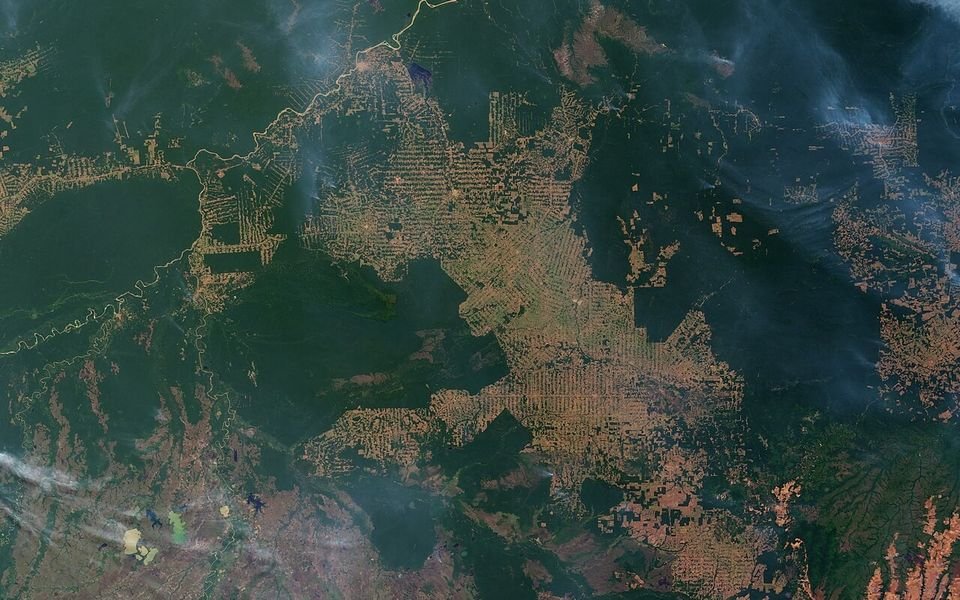
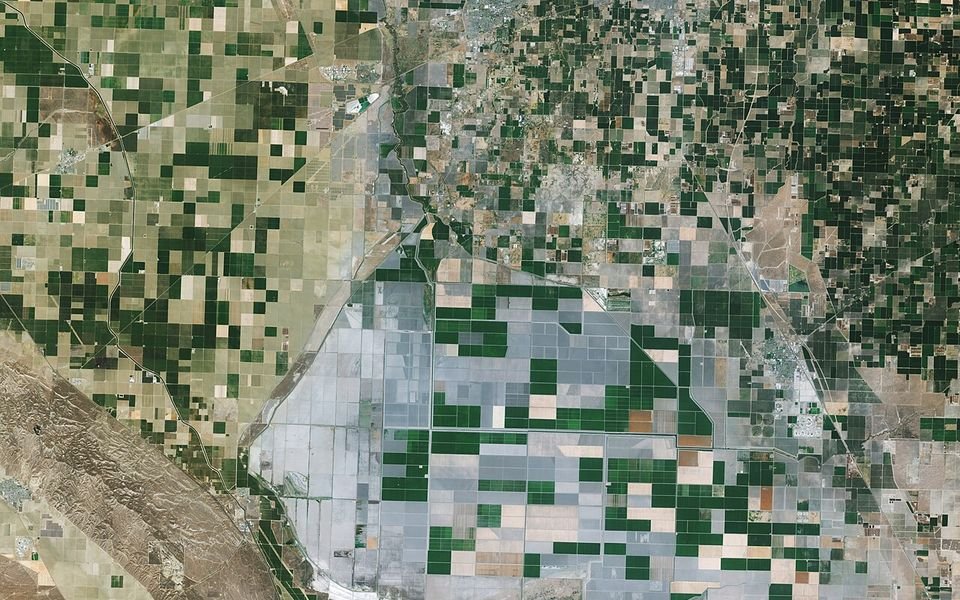
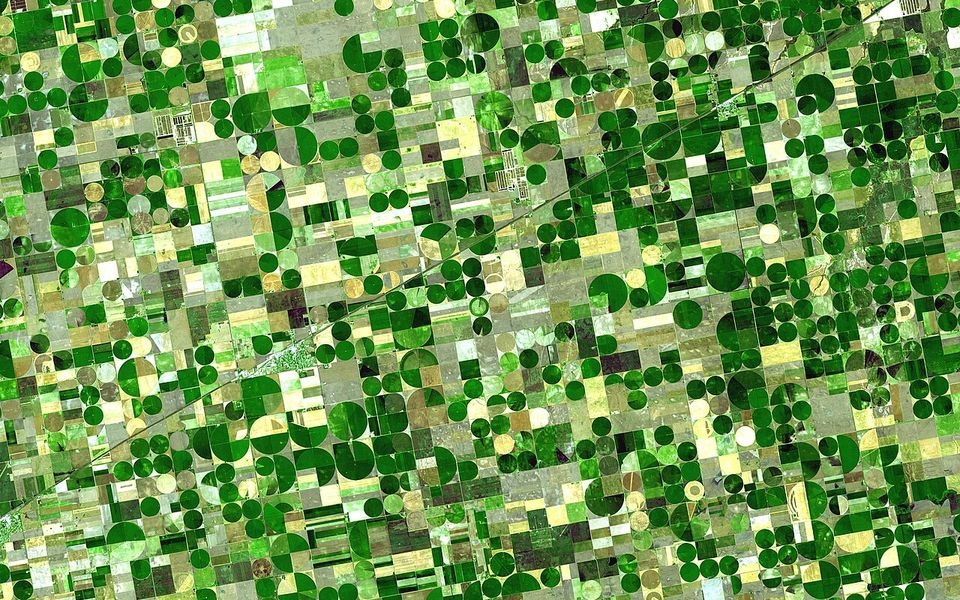
We estimate annual discontinuities in remotely-sensed crop yields at all international land borders and link them to changes in the economic freedom index by the Fraser Institute, a country-level measure of institutional quality. Each point of the ten-point index increases the discontinuity by 2.2% over the next five years, highlighting that institutional reforms have the potential to close some of the observed crop yield gap. Three subcategories are consistently significant: credit market regulation, inflation, and the top marginal tax rate. We present suggestive evidence that higher average yields are achieved through increased use of irrigation and mechanization. Yield variability remains unchanged, and reforms lead to cropland expansion through deforestation.

Cooling Externality of Large-Scale Irrigation

with Thomas Braun

Abstract

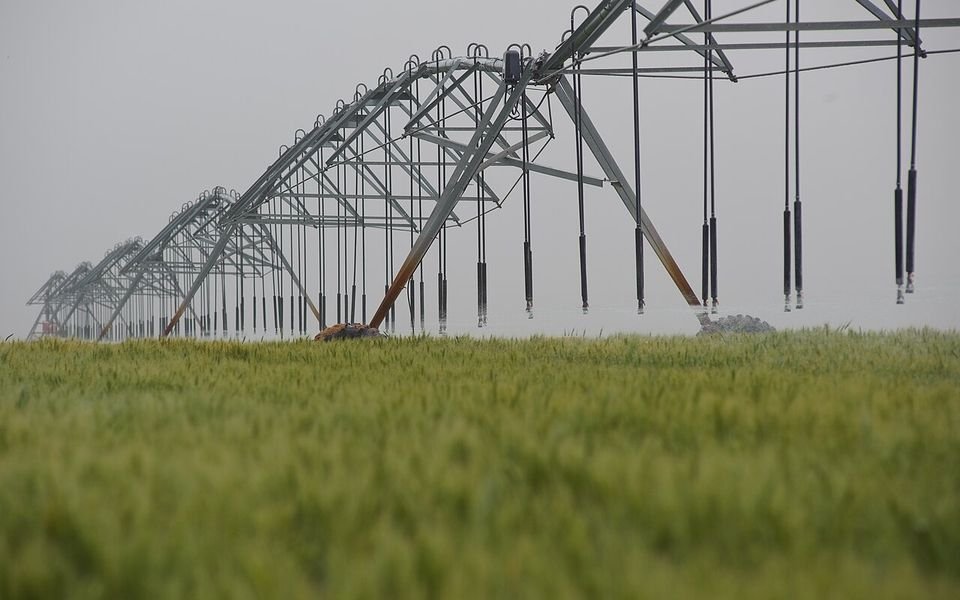
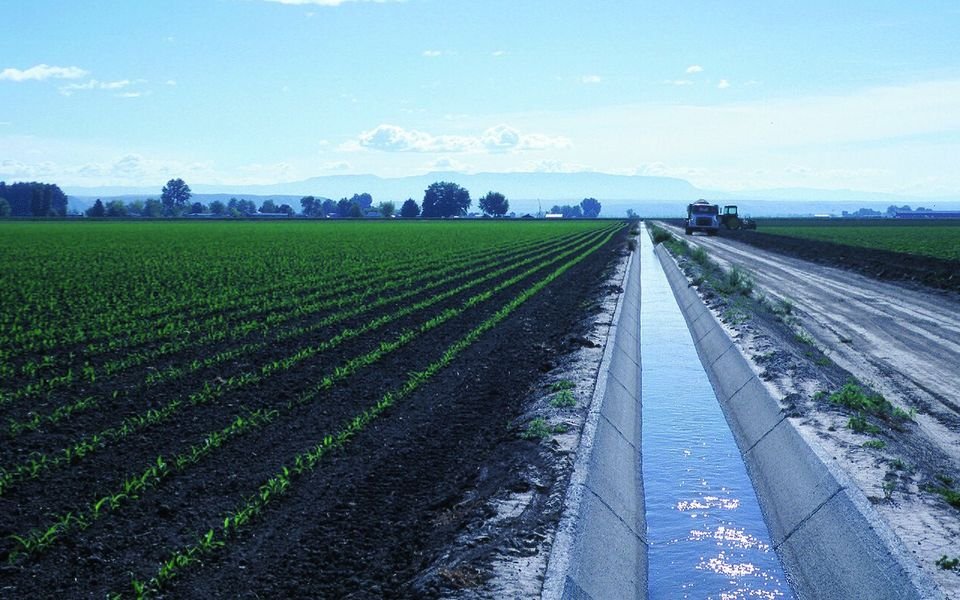
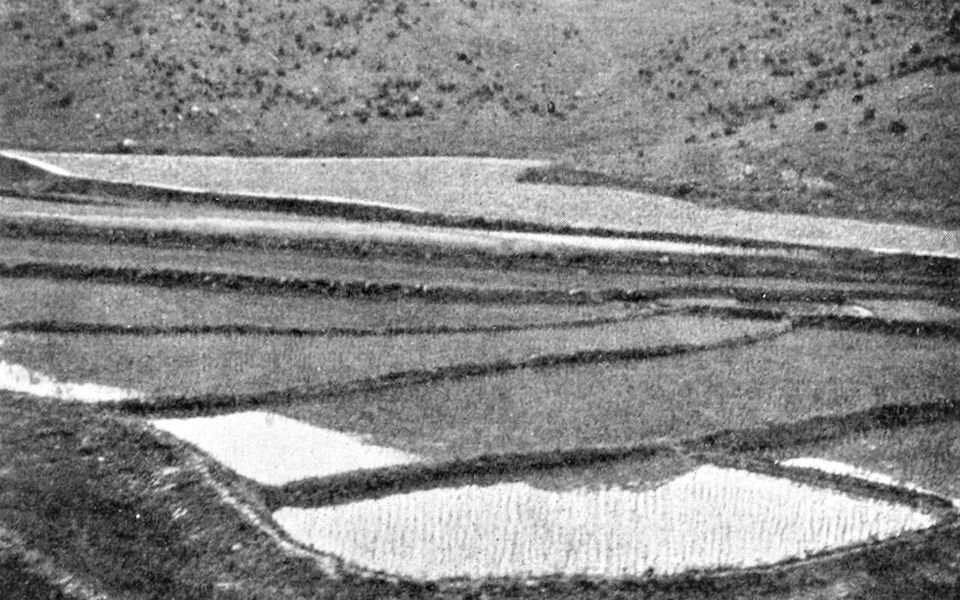
We provide novel evidence that large-scale irrigation heterogeneously shifts the temperature distribution towards cooler temperatures during the months of the growing season relative to the rest of the year. We employ a triple-difference estimator using a 59-year-long panel of weather records paired with the fraction of a county that is irrigated in 393 counties over the Ogallala aquifer. Cooling-by-irrigation propagates downwind and reduces the upper tail of the temperature distribution by up to 3C (5F) during the month of August, which has positive externalities on downwind crop yields ($120 million per year) and temperature-induced excess mortality ($240 million per year) that are of equal magnitude as the direct benefits of irrigation by enhancing heat tolerance ($440 million per year). The observed cooling helps explain why the US has seen less warming, especially of very hot temperatures, than what climate models project. Our findings highlight that weather shocks in highly irrigated areas are not exogenous but are influenced by human responses in the form of irrigation.
Optimal Exploration and Price Paths of a Non-renewable Commodity with Stochastic Discoveries

with Ivar Ekeland, Peter Tankov, and Brian Wright

Abstract

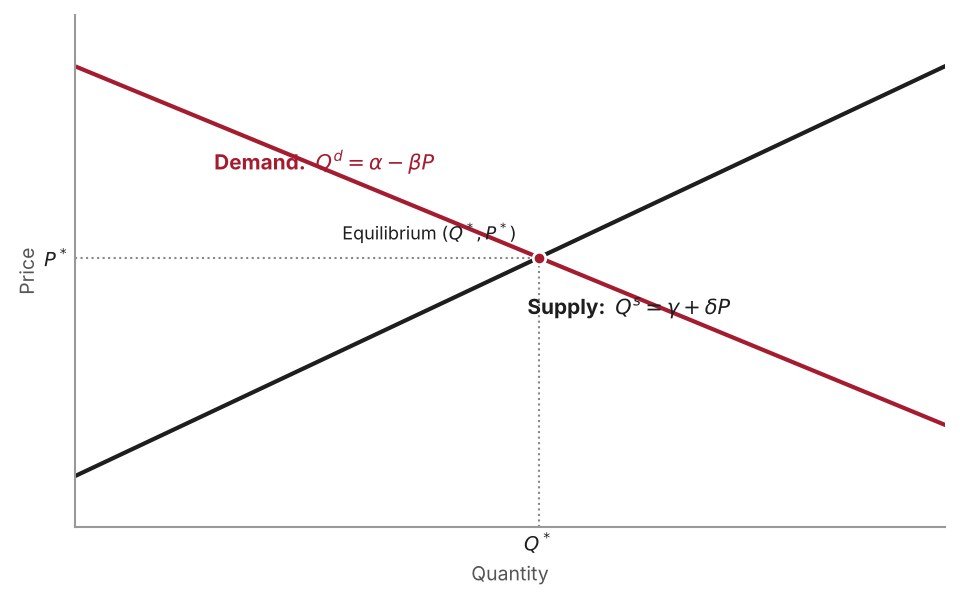
We address the long-standing challenge of adding optimal exploration to the classic Hotelling model of a non-renewable resource. We completely solve such a model, using impulse control. The model, extending Arrow and Chang (1982), has two state variables: “proven” reserves and a finite unexplored area available for exploration at constant marginal cost, with a Poisson process for new discoveries. We prove that a frontier of critical levels of proven reserves exists, above which exploration ceases, and below which it happens at infinite speed. This frontier is increasing in explored area, and higher reserve levels along this critical threshold indicate more scarcity, not less. In a stochastic generalization of Hotelling’s rule, the expected shadow price of reserves rises at the rate of interest across exploratory episodes. The trajectories of prices realized prior to exhaustion of the exploratory area may jump up or down upon exploration. Conditional on non-exhaustion, expected price rises at a rate bounded above by the rate of interest, explaining why most empirical tests based on past price histories reject Hotelling’s rule. Starting when the unexplored area is sufficiently close to zero, all price paths rise at less than the rate of interest until exhaustion of the unexplored area.
Environmental Drivers of Agricultural Productivity Growth: CO2 Fertilization of US Field Crops

with Charles A. Taylor

Abstract

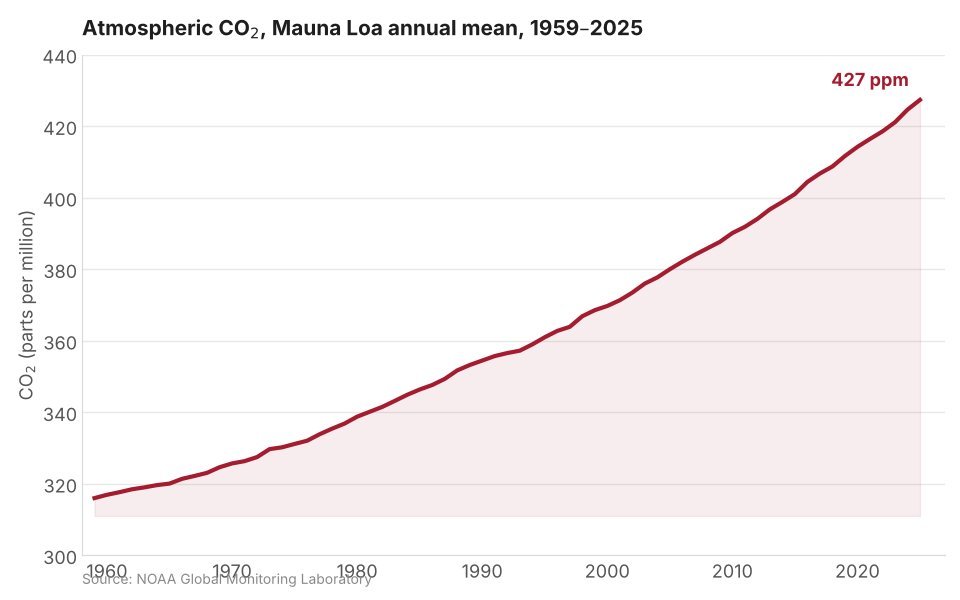
We present a novel methodology to estimate the CO₂ fertilization effect on crop yields using data from NASA's Orbiting Carbon Observatory satellites. Our study complements field and chamber experiments by examining county-level crop yields under actual growing conditions across the majority of US cropland. For identification, we utilize remotely sensed, year-to-year CO₂ anomalies from county-specific trends and further instrument for these anomalies using wind patterns. We find a CO₂ fertilization effect greater than that reported in most field and chamber experiments. In a thought exercise, we apply the CO₂ fertilization effect estimated in our sample from 2015–2022 backward to 1940. Assuming no other limiting factors, we find that rising CO₂ was a major driver of past yield growth, particularly for wheat—with important implications for estimates of future climate change damages.

Coase, Hotelling and Pigou: The Incidence of a Carbon Tax and CO2 Emissions

with Geoffrey Heal

Abstract

We use field-level cost estimates of all oil and natural gas fields to highlight dynamic aspects of a global carbon tax. Some of the initial reduction in consumption will be offset through higher consumption later on. Only high-cost reserves will be priced out of the market, e.g., at 200 dollars per ton of CO₂ cumulative emissions decrease by 4%. The tax incidence initially falls on consumers under a constant tax but eventually becomes negative as the lifetime of the resources is extended. An increasing tax over time reduces the initial incidence on consumers.

Ground-Level Ozone and Corn Yields in the United States

with Christopher Boone and Juha Siikamäki

Abstract

We provide new empirical evidence of a nonlinear effect of ozone on corn yields. Our county-level panel analysis links observed historical yields to measures of air pollution constructed from fine-scaled hourly pollution monitor data. We find a critical threshold of 65 ppb for hourly daytime ozone concentration, considerably higher than the 40 ppb threshold derived from controlled experiments and used as the basis for air quality standards in Europe. Exposure to concentrations above this threshold has large negative impacts on yields. Our estimates indicate that a substantial fraction (between 32% and 44%) of the growth in U.S. corn yields observed between 1990 and 2014 can be attributed to reductions in peak ozone levels. A back-of-the envelope calculation reveals that the decline in peak ozone levels in the U.S. has reduced global food prices of the four basic staple crops by roughly 10% and increased consumer surplus of these commodities by $38 billion annually. ∗ We are grateful for helpful comments from participants at the 2012 Northeast Workshop on Energy Policy and Environmental Economics at Cornell and the AERE sessions of the 2013 ASSA meetings in San Diego, including especially Jordan Matsudaira and Barrett Kirwan, who served as discussants. † Cornell University. Email: cb238@cornell.edu ‡ Columbia University and NBER. Email: wolfram.schlenker@columbia.edu § International Union for Conservation of Nature. Email: juha.siikamaki@iucn.org 1

Climate Change, Crop Yields, and Internal Migration in the United States

with Shuaizhang Feng and Michael Oppenheimer

Abstract

We investigate the link between agricultural productivity and net migration in the United States using a county-level panel for the most recent period of 1970-2009. In rural counties of the Corn Belt, we find a statistically significant relationship between changes in net outmigration and climate-driven changes in crop yields, with an estimated semi-elasticity of about -0.17, i.e., a 1% decrease in yields leads to a 0.17% net reduction of the population through migration. This effect is primarily driven by young adults. We do not detect a response for senior citizens, nor for the general population in eastern counties outside the Corn Belt. Applying this semi-elasticity to predicted yield changes under the B2 scenario of the Hadley III model, we project that, holding other factors constant, climate change would on average induce 3.7% of the adult population (ages 15-59) to leave rural counties of the Corn Belt in the medium term (2020-2049) compared to the 1960-1989 baseline, with the possibility of a much larger migration response in the long term (2077-2099). Since there is uncertainty about future warming, we also present projections for a range of uniform climate change scenarios in temperature or precipitation.

Publications

Newest first.

Uncertain yields: The challenge of predicting solar radiation management impacts on agricultural productivity

2026 · One Earth

with Peter Huybers and Jonathan Proctor

Abstract

Solar radiation management (SRM) is an increasingly discussed approach to counteracting anthropogenic climate change and its impacts on human and ecological well-being. Here, we argue that while the effect of SRM on temperatures is relatively well understood, there are substantial uncertainties in the agricultural benefits and costs of SRM deployment.

The Social, Political, and Economic Consequences of Climate Hazards (eds)

2026 · RSF: The Russell Sage Foundation Journal of the Social Sciences

with Max Besbris, Manuel Pastor, Anna Rhodes and Pamela Winston

Abstract

As climate change intensifies, understanding the effects of climate hazards such as wildfires, hurricanes, coastal and riverine flooding, tornadoes, heat waves, and extreme snowstorms is key to understanding patterns of inequality. In this introduction, we review a multidisciplinary literature on the social, political, and economic consequences of climate hazards for individuals and communities in the US. We explore how the risk of exposure to climate hazards is unequal across places and demographic groups and examine how inequalities emerge in the process of recovery after climate disasters. We describe how different political actors shape climate policy as well as the role that government policies and programs play in mitigation and recovery efforts. The articles in this issue push novel research avenues for understanding the intersection of disasters and inequality. We conclude our introduction by discussing the challenges and key directions for future research.

Using markets to adapt to climate change

2026 · Science

with Simon Greenhill, Solomon Hsiang, Clare Balboni, Lint Barrage, Ian W. Bolliger, Judson Boomhower, Delavane Diaz, Hannah Druckenmiller, Teevrat Garg, Miyuki Hino, Harrison Hong, Carolyn Kousky, Jeremy Martinich, Ishan Nath, Kimberly L. Oremus, R. Jisung Park, Toan Phan, Jonathan Proctor, Will Rafey, Marcus C. Sarofim, and Benjamin Simon

Abstract

Research shows if and when markets can help limit the harms from climate change. Even under ambitious mitigation, climate change will affect human well-being for generations, making adaptation a necessary complement to mitigation. Drawing on a growing body of economic research, the authors identify when and how markets can be a promising tool for effective and efficient adaptation: by making existing markets work better through transparent climate-risk information and the removal of counterproductive subsidies and price controls, and by building markets that are missing—for climate-resilient technologies, risk sharing, and natural resources such as water. They also discuss where markets are insufficient and nonmarket policy tools, including those addressing fairness and public goods, are more appropriate.

Empirical approaches to climate change impact quantification

2024 · Handbook of the Economics of Climate Change (editors: Hsiang and Barrage)

with Dylan Hogan

Abstract

Robust empirical analysis of climate change impacts is essential for designing effective climate policies and facilitating adaptation to climate damages. However, identifying the causal impacts of climate change faces the fundamental challenge of endogeneity — we cannot observe the Earth under alternative climate futures, making it difficult to fully disentangle climate impacts from other potential drivers of key socioeconomic outcomes. In this chapter, we review the rapidly expanding set of empirical approaches for quantifying the causal impacts of climate change. We begin by outlining several core econometric methodologies that have been applied to climate-related questions across various geographies, sectors of the economy, and societal dimensions. We next discuss key lessons learned from several decades of climate impact studies, including methodological extensions to account for adaptation, allowing for non-linear effects, potential specification issues when using weather data for economic analysis, and frontier applications of climate impact methodologies and novel data sources.

Non-linear relationships between daily temperature extremes and US agricultural yields uncovered by global gridded meteorological datasets

2024 · Nature Communications

with Dylan Hogan

Abstract

Global agricultural commodity markets are highly integrated among major producers. Prices are driven by aggregate supply rather than what happens in individual countries in isolation. Estimating the effects of weather-induced shocks on production, trade patterns and prices hence requires a globally representative weather data set. Recently, two data sets that provide daily or hourly records, GMFD and ERA5-Land, became available. Starting with the US, a data rich region, we formally test whether these global data sets are as good as more fine-scaled country-specific data in explaining yields and whether they estimate similar response functions. While GMFD and ERA5-Land have lower predictive skill for US corn and soybeans yields than the fine-scaled PRISM data, they still correctly uncover the underlying non-linear temperature relationship. All specifications using daily temperature extremes under any of the weather data sets outperform models that use a quadratic in average temperature. Correctly capturing the effect of daily extremes has a larger effect than the choice of weather data. In a second step, focusing on Sub Saharan Africa, a data sparse region, we confirm that GMFD and ERA5-Land have superior predictive power to CRU, a global weather data set previously employed for modeling climate effects in the region.

Fifth National Climate Assessment- Chapter 19: Economics

2023

with Jeremy Martinich, Solomon Hsiang, Simon Greenhill, Monica Grasso, Rudy M. Schuster, Lint Barrage, Delavane B. Diaz, Harrison Hong, Carolyn Kousky, Toan Phan, Marcus C. Sarofim, Benjamin Simon, Stacy E. Sneeringer

Future socio-ecosystem productivity threatened by compound drought–heatwave events

2023 · Nature Sustainability

with Jiabo Yin, Pierre Gentine, Louise Slater, Lei Gu, Yadu Pokhrel, Naota Hanasaki, Shenglian Guo and Lihua Xiong

Abstract

Compound drought–heatwave (CDHW) events are one of the worst climatic stressors for global sustainable development. However, the physical mechanisms behind CDHWs and their impacts on socio-ecosystem productivity remain poorly understood. Here, using simulations from a large climate–hydrology model ensemble of 111 members, we demonstrate that the frequency of extreme CDHWs is projected to increase by tenfold globally under the highest emissions scenario, along with a disproportionate negative impact on vegetation and socio-economic productivity by the late twenty-first century. By combining satellite observations, field measurements and reanalysis, we show that terrestrial water storage and temperature are negatively coupled, probably driven by similar atmospheric conditions (for example, water vapour deficit and energy demand). Limits on water availability are likely to play a more important role in constraining the terrestrial carbon sink than temperature extremes, and over 90% of the global population and gross domestic product could be exposed to increasing CDHW risks in the future, with more severe impacts in poorer and more rural areas. Our results provide crucial insights towards assessing and mitigating adverse effects of compound hazards on ecosystems and human well-being. Extreme weather patterns prove particularly detrimental to sustainable development when they occur as compound phenomena. Compound drought–heatwave events are projected to increase up to tenfold and negatively impact socio-economic productivity and potential terrestrial carbon sequestration.

Declining crop yields limit the potential of bioenergy

2022 · Nature, 609: 250-251

with Gernot Wagner

Abstract

Global-warming projections that rely on bioenergy strategies to offset carbon dioxide emissions could be unduly optimistic, according to a study that accounts for how climate change affects crop yields. Feedback loop threatens negative emissions strategies.

Market Expectations of a Warming Climate

2021 · Journal of Financial Economics, 142(2): 627-640

with Charles Taylor

Online Appendix and Replication files (right click to save zipped folder)

Abstract

We compare prices of financial derivatives whose payouts are based on future weather outcomes to CMIP5 climate model predictions as well as observed weather station data across eight cities in the US from 2001 through 2020. Derivative prices respond both to short-term weather forecasts for the next two weeks and longer-term warming trends. We show that the long-term trends in derivative prices are comparable to station-level data and climate model output. The one exception is February in the northeastern US, where financial markets price in a polar vortex-induced cooling effect, a recent scientific finding that was not present in the older CMIP5 climate output. When looking at the spatial and temporal heterogeneity in trends, futures prices are more aligned with climate model output than observed weather station trends, suggesting that market participants closely align their expectations with scientific forecasts rather than recent observations.

Violent conflict exacerbated drought-related food insecurity between 2009 and 2019 in sub-Saharan Africa

2021 · Nature Food

with Weston Anderson, Charles Taylor, Sonali McDermid, Elisabeth Ilboudo-Nébié, Richard Seager, Wolfram Schlenker, Fabien Cottier, Alex de Sherbinin, Dara Mendeloff, and Kelsey Markey

Abstract

Conflict, drought and locusts are leading concerns for African food security but the relative importance and spatiotemporal scale of crises resulting from each hazard is poorly characterized. Here we use continuous, subnational data to demonstrate that the rise of food insecurity across sub-Saharan Africa that began in 2014 is attributable to an increase in violent conflict, particularly in South Sudan and Nigeria. Although drought remains a leading trigger of food crises, the prevalence of drought-related crises did not increase from 2009 to 2018. When exposed to drought, pastoralists experienced more widespread, severe and long-lasting food crises than people living in agricultural zones. Food insecurity remained elevated in pastoral regions for 2 years following a drought, while agricultural regions returned to pre-drought food-security levels in ~12 months. The few confirmed famines during the 2009–2018 period coincided with both conflict and drought, while locusts had little effect on food security during this period. Subnational data indicate that the increasing frequency of food-security crises since 2014 is more attributable to conflict in South Sudan and Nigeria than to drought or locust swarms, with pastoralists remaining more vulnerable to drought than those in agricultural zones.

Quantifying the Impacts of Compound Extremes on Agriculture

2021 · Hydrology and Earth System Sciences, 25: 551-564

with Iman Haqiqi, Danielle S. Grogan and Thomas W. Hertel

Abstract

Agricultural production and food prices are affected by hydroclimatic extremes. There has been a large literature measuring the impacts of individual extreme events (heat stress or water stress) on agricultural and human systems. Yet, we lack a comprehensive understanding of the significance and the magnitude of the impacts of compound extremes. Here, we combine a high-resolution weather product with fine-scale outputs of a hydrological model to construct functional indicators of compound hydroclimatic extremes for agriculture. Then, we measure the impacts of individual and compound extremes on crop yields focusing on the United States during the 1981–2015 period. Supported by statistical evidence, we confirm that wet heat is more damaging than dry heat for crops. We show that the average damage from heat stress has been up to four times more severe when combined with water stress; and the value of water experiences a four-fold increase on hot days. In a robust framework with only a few parameters of compound extremes, this paper also improves our understanding of the conditional marginal value (or damage) of water in crop production. This value is critically important for irrigation water demand and farmer decision-making – particularly in the context of supplemental irrigation and sub-surface drainage.

Environmental Drivers of Agricultural Productivity Growth and Socioeconomic Spillovers

2020 · Federal Reserve Bank of Kansas City's Agricultural Symposium

Abstract

We provide new empirical evidence of a nonlinear effect of ozone on corn yields. Our county-level panel analysis links observed historical yields to measures of air pollution constructed from fine-scaled hourly pollution monitor data. We find a critical threshold of 65 ppb for hourly daytime ozone concentration, considerably higher than the 40 ppb threshold derived from controlled experiments and used as the basis for air quality standards in Europe. Exposure to concentrations above this threshold has large negative impacts on yields. Our estimates indicate that a substantial fraction (between 32% and 44%) of the growth in U.S. corn yields observed between 1990 and 2014 can be attributed to reductions in peak ozone levels. A back-of-the envelope calculation reveals that the decline in peak ozone levels in the U.S. has reduced global food prices of the four basic staple crops by roughly 10% and increased consumer surplus of these commodities by $38 billion annually. ∗ We are grateful for helpful comments from participants at the 2012 Northeast Workshop on Energy Policy and Environmental Economics at Cornell and the AERE sessions of the 2013 ASSA meetings in San Diego, including especially Jordan Matsudaira and Barrett Kirwan, who served as discussants. † Cornell University. Email: cb238@cornell.edu ‡ Columbia University and NBER. Email: wolfram.schlenker@columbia.edu § International Union for Conservation of Nature. Email: juha.siikamaki@iucn.org 1

The Effects of Extreme Weather on Apple Quality

2020 · Nature Scientific Reports, 10: 7919

with Tobias Dalhaus, Michael M. Blanke, Esther Bravin and Robert Finger

Abstract

A large literature has documented the effects of weather on agricultural yields. However, weather not only impacts the quantity produced, but also the quality of the product. Due to data limitations, the quality effects have primarily been studied using lab experiments for specific attributes, and the financial implications for farmers of a quality effect are less clear. Using a unique longitudinal micro-level data set of Swiss apple orchards that include information on both the quantity produced as well as the quality, we show that the latter can have an even larger effect on farm revenue. Ignoring the quality of the harvested product substantially biases the impact of weather extremes on agricultural income and the potential effects of climate change. Our quality measure is the orchard-year specific price shock. If an orchard gets a lower price for its specific apple variety compared to previous years and compared to other orchards in the same year, we observe the market's valuation of its inferior quality accounting for overall price movements (other orchards growing same variety that year) as well as orchard specific factors (orchard fixed effects). We find that spring frost events induce farm gate price drops and thus revenue reductions of up to 2.05% per hour of exposure.

Estimating global agricultural effects of geoengineering using volcanic eruptions

2018 · Nature, 560: 480–483

with Jonathan Proctor, Solomon Hsiang, Jennifer Burney, and Marshall Burke

Abstract

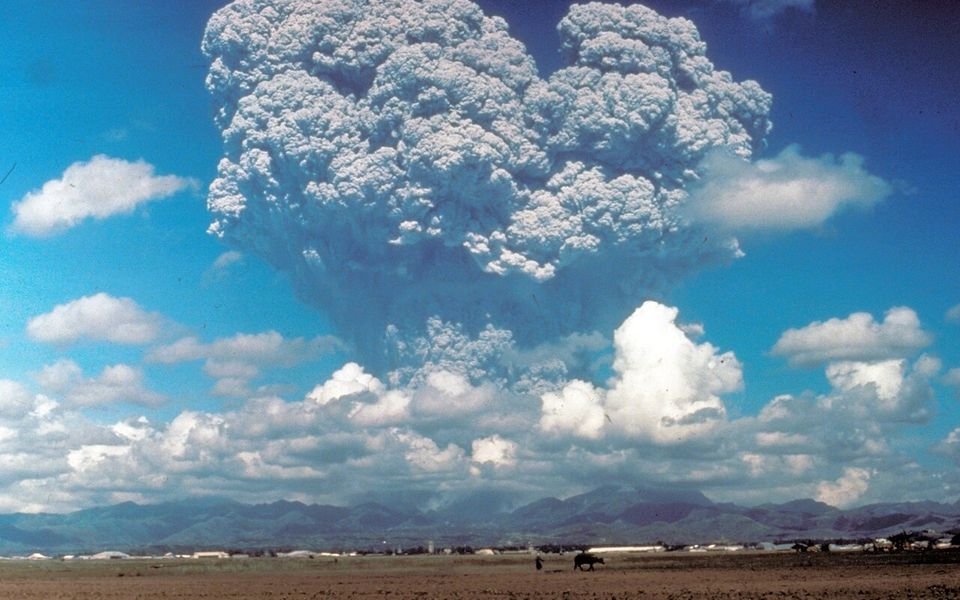
Solar radiation management is increasingly considered to be an option for managing global temperatures 1,2 , yet the economic effects of ameliorating climatic changes by scattering sunlight back to space remain largely unknown 3 . Although solar radiation management may increase crop yields by reducing heat stress 4 , the effects of concomitant changes in available sunlight have never been empirically estimated. Here we use the volcanic eruptions that inspired modern solar radiation management proposals as natural experiments to provide the first estimates, to our knowledge, of how the stratospheric sulfate aerosols created by the eruptions of El Chichón and Mount Pinatubo altered the quantity and quality of global sunlight, and how these changes in sunlight affected global crop yields. We find that the sunlight-mediated effect of stratospheric sulfate aerosols on yields is negative for both C4 (maize) and C3 (soy, rice and wheat) crops. Applying our yield model to a solar radiation management scenario based on stratospheric sulfate aerosols, we find that projected mid-twenty-first century damages due to scattering sunlight caused by solar radiation management are roughly equal in magnitude to benefits from cooling. This suggests that solar radiation management-if deployed using stratospheric sulfate aerosols similar to those emitted by the volcanic eruptions it seeks to mimic-would, on net, attenuate little of the global agricultural damage from climate change. Our approach could be extended to study the effects of solar radiation management on other global systems, such as human health or ecosystem function.

The cost of a warming climate - feeling the heat

2018 · Nature, 557: 498

Abstract

A study finds that meeting climate-change mitigation targets will lead to a substantial reduction in economic damages. Here, economists present opposing views on the approach used by studies such as this one.

Asylum applications respond to temperature fluctuations

2017 · Science, 358(6370): 1610-1614

with Anouch Missirian

Abstract

International negotiations on climate change, along with recent upsurges in migration across the Mediterranean Sea, have highlighted the need to better understand the possible effects of climate change on human migration-in particular, across national borders. Here we examine how, in the recent past (2000-2014), weather variations in 103 source countries translated into asylum applications to the European Union, which averaged 351,000 per year in our sample. We find that temperatures that deviated from the moderate optimum (~20°C) increased asylum applications in a nonlinear fashion, which implies an accelerated increase under continued future warming. Holding everything else constant, asylum applications by the end of the century are predicted to increase, on average, by 28% (98,000 additional asylum applications per year) under representative concentration pathway (RCP) scenario 4.5 and by 188% (660,000 additional applications per year) under RCP 8.5 for the 21 climate models in the NASA Earth Exchange Global Daily Downscaled Projections (NEX-GDDP).

The Use of Panel Models in Assessments of Climate Impacts on Agriculture

2017 · Review of Environmental Economics and Policy, 11(2): 258-279

with Elodie Blanc

Abstract

Assessments of climate change impacts on agriculture are increasingly relying on panel models to examine the relationship between agricultural outcomes and weather fluctuations. This article reviews the strengths and weaknesses of such models. We argue that panel models are ideal for assessing climate impacts on agriculture because they use group fixed effects to absorb all time-invariant variation and thus rely on weather deviations from the mean that are random and exogenous. Using this random and exogenous source of variation is crucial to identifying a causal relationship between agricultural outcomes and weather. In addition, the large number of observations offered by a panel data set allows the identification of a nonlinear response function, which is an important step in modeling the effects of climate change, as the response can be highly nonlinear. Despite these strengths of panel models, they may still suffer from omitted variable biases of time-varying variables, such as pollution shocks, which are correlated with the weather shocks. Moreover, because group fixed effects absorb a lot of the signal in the weather variables, the signal:noise ratio might decrease. Thus researchers should be careful when constructing the weather variables in order to avoid having noise in the data that causes downward biases in the coefficients.

Asylum Applications and Migration Flows

2017 · American Economic Review - Papers and Proceedings, 107(5): 436-440

with Anouch Missirian

Abstract

We discuss an underutilized dataset to examine the causes of migration. The United Nations High Commissioner for Refugees publishes annual binational asylum applications and the resulting decisions. Asylum is granted to protect individuals from persecution. They are a small part of overall migration patterns: one-tenth of overall migration flows into OECD countries. The European Union receives the largest share of asylum applicants and has a low acceptance rate, but the rate increases when source countries have positive deviations from historic trends. Countries outside the EU and OECD receive almost all of the applications from neighbors with a contiguous land border.

Consistent negative response of US crops to high temperatures in observations and crop models

2017 · Nature Communications, Article Number 13931: 1-9

with Bernhard Schauberger, Sotirios Archontoulis, Almut Arneth, Juraj Balkovic, Philippe Ciais, Delphine Deryng, Joshua Elliott, Christian Folberth, Nikolay Khabarov, Christoph Müller, Thomas A. M. Pugh, Susanne Rolinski, Sibyll Schaphoff, Erwin Schmid, Xuhui Wang, and Katja Frieler

Abstract

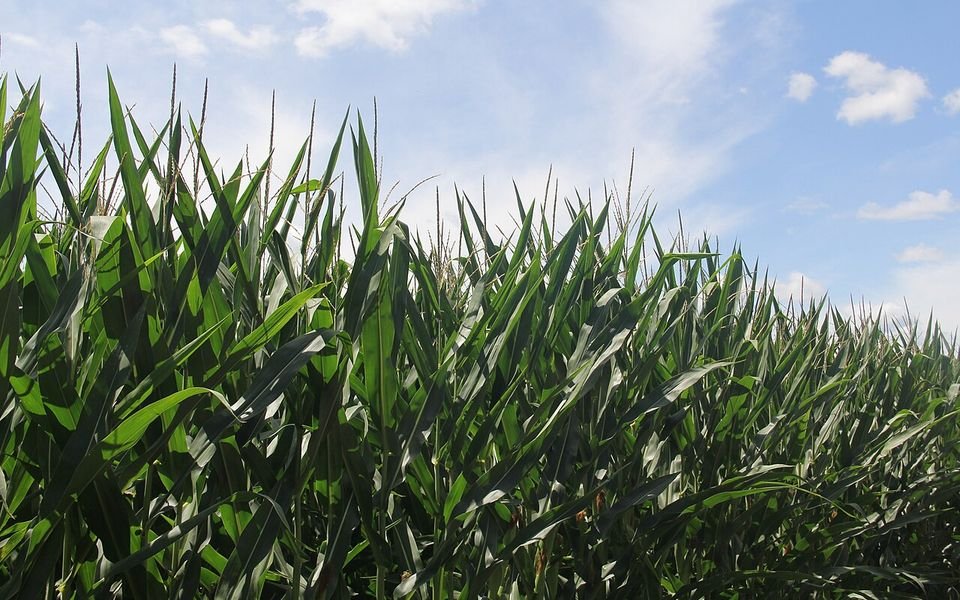
High temperatures are detrimental to crop yields and could lead to global warming-driven reductions in agricultural productivity. To assess future threats, the majority of studies used process-based crop models, but their ability to represent effects of high temperature has been questioned. Here we show that an ensemble of nine crop models reproduces the observed average temperature responses of US maize, soybean and wheat yields. Each day >30 °C diminishes maize and soybean yields by up to 6% under rainfed conditions. Declines observed in irrigated areas, or simulated assuming full irrigation, are weak. This supports the hypothesis that water stress induced by high temperatures causes the decline. For wheat a negative response to high temperature is neither observed nor simulated under historical conditions, since critical temperatures are rarely exceeded during the growing season. In the future, yields are modelled to decline for all three crops at temperatures >30 °C. Elevated CO 2 can only weakly reduce these yield losses, in contrast to irrigation.

Recent weather fluctuations and agricultural yields: implications for climate change

2016 · Agricultural Economics - Plenary Session of the Triannual International Conference of Agricultural Economists, 47(S1): 159-171

with Anthony D'Agostino

Abstract

We summarize recent statistical analyses that link agricultural yields to weather fluctuations. Similar to other sectors, high temperatures play a crucial role in predicting outcomes. Climate change is predicted to significantly increase high temperatures and thereby reduce yields. How good are such models at predicting future outcomes? We show that a statistical model estimated using historic US data on corn and soybean yields from 1950 to 2011 is very capable of predicting aggregate US yields for the years 2012–2015, where 2012 was much hotter than normal and is expected to become the new normal under climate change. We conclude by discussing recent studies on the implication of predicted yield declines with a special focus on adaptation and commodity prices.

Balancing economic and ecological goals

2016 · Science, 353(6300): 651-652

with Eyal Frank

Abstract

Human activities are increasingly degrading ecosystems, resulting in habitat loss and reduced biodiversity. Extinction rates, a widely used metric of biodiversity loss, are estimated to be around 1000 times as high as those historically experienced on Earth; even the most conservative estimate puts current extinction rates at 114 times as high as the background planetary norm. Simulations project that, under scenarios of increased economic growth and the accompanying land use change, critical habitat will further degrade and biodiversity will decline. Are economic growth and ecosystem conservation incompatible objectives?

Airports, Air Pollution, and Contemporaneous Health

2016 · Review of Economic Studies, 83(2): 768-809

with W. Reed Walker

Abstract

We link daily air pollution exposure to measures of contemporaneous health for communities surrounding the twelve largest airports in California. These airports are some of the largest sources of air pollution in the US, and they experience large changes in daily air pollution emissions depending on the amount of time planes spend idling on the tarmac. Excess airplane idling, measured as residual daily taxi time, is due to network delays originating in the Eastern US. This idiosyncratic variation in daily airplane taxi time significantly impacts the health of local residents, largely driven by increased levels of carbon monoxide (CO) exposure. We use this variation in daily airport congestion to estimate the population dose-response of health outcomes to daily CO exposure, examining hospitalization rates for asthma, respiratory, and heart-related emergency room admissions. A one standard deviation increase in daily pollution levels leads to an additional $540 thousand in hospitalization costs for respiratory and heart-related admissions for the 6 million individuals living within 10 km (6.2 miles) of the airports in California. These health effects occur at levels of CO exposure far below existing Environmental Protection Agency mandates, and our results suggest there may be sizable morbidity benefits from lowering the existing CO standard.

Federal Crop Insurance and the Disincentive to Adapt to Extreme Heat

2015 · American Economic Review - Papers and Proceedings, 105(5): 262-266

with Francis Annan

Abstract

Despite significant progress in average yields, the sensitivity of corn and soybean yields to extreme heat has remained relatively constant over time. We combine county-level corn and soybeans yields in the United States from 1989-2013 with the fraction of the planting area that is insured under the federal crop insurance program, which expanded greatly over this time period as premium subsidies increased from 20 percent to 60 percent. Insured corn and soybeans are significantly more sensitive to extreme heat that uninsured crops. Insured farmers do not have the incentive to engage in costly adaptation as insurance compensates them for potential losses.

The effects of extremely wet planting conditions on maize and soybean yields

2015 · Climatic Change, 130(2): 247-260

with Daniel W. Urban, Michael J. Roberts, and David B. Lobell

Abstract

Short durations of very high spring soil moisture can influence crop yields in many ways, including delaying planting and damaging young crops. The central United States has seen a significant upward trend in the frequency and intensity of extreme precipitation in the 20th century, potentially leading to more frequent occurrences of saturated or nearly saturated fields during the planting season, yet the impacts of these changes on crop yields are not known. Here we investigate the yield response to excess spring moisture for both maize and soybean in the U.S. states of Illinois, Iowa, and Indiana, and the impacts of historical trends for 1950–2011. We find that simple measures of extreme spring soil moisture, derived from fine-scale daily moisture data from the Variable Infiltration Capacity (VIC) hydrologic model, lead to significant improvements in statistical models of yields for both crops. Individual counties experience up to 10% loss in years with extremely wet springs. However, losses due to historical trends in excess spring moisture measures have generally been small, with 1–3% yield loss over the 62 year study period.

Empirical studies on agricultural impacts and adaptation

2014 · Energy Economics, 49: 555–561

with Maximilian Auffhammer

Abstract

Agricultural production is heavily dependent on weather outcomes, and hence climate change has the potential to significantly alter the sector's productivity. Both reduced form studies as well as integrated assessment models have found that the agricultural sector might experience significant impacts. We discuss the advantages of empirical reduced-form studies and their link and potential usefulness to integrated assessment models. We further discuss challenges facing empirical studies and recent research that looks at the longer term changes in climate and attempts to measure adaptation.

Greater Sensitivity to Drought Accompanies Maize Yield Increase in the U.S. Midwest

2014 · Science, 344(6183): 516-519

with David B. Lobell, Michael J. Roberts, Noah Braun, Bertis B. Little, Roderick M. Rejesus, and Graeme L. Hammer

Abstract

A key question for climate change adaptation is whether existing cropping systems can become less sensitive to climate variations. We use a field-level data set on maize and soybean yields in the central United States for 1995 through 2012 to examine changes in drought sensitivity. Although yields have increased in absolute value under all levels of stress for both crops, the sensitivity of maize yields to drought stress associated with high vapor pressure deficits has increased. The greater sensitivity has occurred despite cultivar improvements and increased carbon dioxide and reflects the agronomic trend toward higher sowing densities. The results suggest that agronomic changes tend to translate improved drought tolerance of plants to higher average yields but not to decreasing drought sensitivity of yields at the field scale.

It’s not just the statistical model. A comment on Seo (2013)

2013 · Climatic Change, 121(2): 125-128

with Maximilian Auffhammer

Abstract

A recent paper in this journal argues that the choice of statistical model is responsible for the divergence in damage estimates of climate change on US agriculture. We provide five arguments why we believe this assertion is misguided.

Corn Production Shocks in 2012 and Beyond: Implications for Harvest Volatility

2014 · NBER Conference: The Economics of Food Price Volatility (eds: Jean-Paul Chavas, David Hummels, and Brian D. Wright. Chicago University Press

with Steven T. Berry and Michael J. Roberts

Abstract

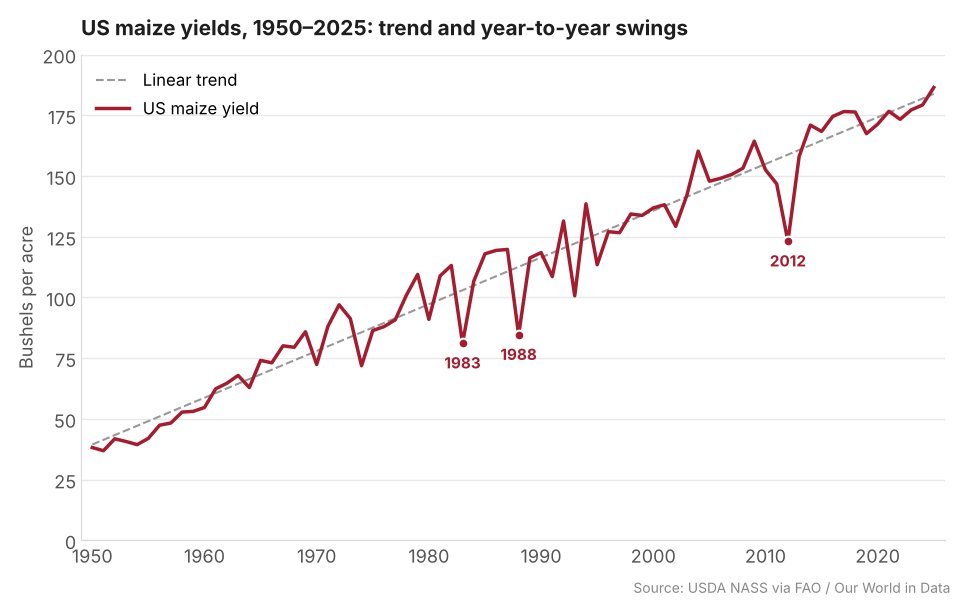
Corn prices increased sharply in the summer of 2012 due to expected production shortfalls in the United States, which produces roughly 40% of the world's corn. A heat wave in July adversely affected corn production. We extend earlier statistical models of county-level corn yields in the Eastern United States by allowing the effect of various weather measures to vary in a flexible manner over the growing season: Extreme heat is especially harmful around a third into the growing season. This is the time when the 2012 heat wave hit the Corn Belt. Our most flexible model predicts 2012 corn yields will be 23% below trend, which is close to the observed realization. While extreme heat was significantly above normal, climate change scenarios suggest that the 2012 outcomes will soon be the new normal.

Identifying Supply and Demand Elasticities of Agricultural Commodities: Implications for the US Ethanol Mandate

2013 · American Economic Review, 103(6): 2265-2295

with Michael J. Roberts

Abstract

We present a new framework to identify supply elasticities of storable commodities where past shocks are used as exogenous price shifters. In the agricultural context, past yield shocks change inventory levels and futures prices of agricultural commodities. We use our estimated elasticities to evaluate the impact of the 2009 Renewable Fuel Standard on commodity prices, quantities, and food consumers' surplus for the four basic staples: corn, rice, soybeans, and wheat. Prices increase 20 percent if one-third of commodities used to produce ethanol are recycled as feedstock, with a positively skewed 95 percent confidence interval that ranges from 14 to 35 percent.

Something in the Water: Contaminated Drinking Water and Infant Health

2013 · Canadian Journal of Economics, 46(3): 791-810

with Janet Currie, Joshua S. Graff Zivin, Katherine Meckel, and Matthew J. Neidell

Abstract

This paper provides estimates of the effects of in utero exposure to contaminated drinking water on fetal health. To do this, we examine the universe of birth records and drinking water testing results for the state of New Jersey from 1997 to 2007. Our data enable us to compare outcomes across siblings who were potentially exposed to differing levels of harmful contaminants from drinking water while in utero. We find small effects of drinking water contamination on all children, but large and statistically significant effects on birth weight and gestation of infants born to less educated mothers. We also show that those mothers who were most affected by contamination were the least likely to move between births in response to contamination.

US maize adaptability

2013 · Nature Climate Change, 3(8): 690–691

with David B. Lobell and Michael J. Roberts

Abstract

Butler and Huybers argue that without adaptation a 2 °C increase in temperature would decrease maize yields in the US by 14%, but that with adaptation the same temperature increase would decrease yields by only 6%. Butler and Huybers modelled adaptation as decreasing sensitivity to extreme heat (degree days above 29 °C, which they call killing degree days; KDD). Here we show that their conclusions are based on an unjustified interpretation of the data, and that when properly analysed, the data do not support their statement that “losses are almost certainly overestimated if adaptation is not accounted for.”

Using Weather Data and Climate Model Output in Economic Analyses of Climate Change

2013 · Review of Environmental Economics and Policy, 7(2): 181-198

with Maximilian Auffhammer, Solomon Hsiang, and Adam Sobel

Abstract

Economists are increasingly using weather data and climate model output in analyses of the economic impacts of climate change. This article introduces weather data sets and climate models that are frequently used, discusses the most common mistakes economists make in using these products, and identifies ways to avoid these pitfalls. We first provide an introduction to weather data, including a summary of the types of data sets available, and then we discuss five common pitfalls that empirical researchers should be aware of when using historical weather data as explanatory variables in econometric applications. We then provide a brief overview of climate models and discuss two common and significant errors often made by economists when climate model output is used to simulate the future impacts of climate change on an economic outcome of interest.

The critical role of extreme heat for maize production in the United States

2013 · Nature Climate Change, 3(5): 497–501

with David B. Lobell, Graeme L. Hammer, Greg McLean, Carlos Messina, and Michael J. Roberts

Abstract

Statistical studies of rainfed maize yields in the United States and elsewhere have indicated two clear features: a strong negative yield response to accumulation of temperatures above 30 °C (or extreme degree days (EDD)), and a relatively weak response to seasonal rainfall. Here we show that the process-based Agricultural Production Systems Simulator (APSIM) is able to reproduce both of these relationships in the Midwestern United States and provide insight into underlying mechanisms. The predominant effects of EDD in APSIM are associated with increased vapour pressure deficit, which contributes to water stress in two ways: by increasing demand for soil water to sustain a given rate of carbon assimilation, and by reducing future supply of soil water by raising transpiration rates. APSIM computes daily water stress as the ratio of water supply to demand, and during the critical month of July this ratio is three times more responsive to 2 °C warming than to a 20% precipitation reduction. The results suggest a relatively minor role for direct heat stress on reproductive organs at present temperatures in this region. Effects of elevated CO2 on transpiration efficiency should reduce yield sensitivity to EDD in the coming decades, but at most by 25%.

Agronomic Weather Measures in Econometric Models of Crop Yield with Implications for Climate Change

2013 · American Journal of Agricultural Economics, 95(2): 236-243

with Jonathan Eyer and Michael J. Roberts

Abstract

Climate change has the potential to significantly impact agricultural production and the stakes are large. In this article we begin to consider another measure derived from crop physiology: vapor pressure deficit (VPD). It is closely related to relative humidity and influences evaporation, evapotranspiration and soil moisture. On the one hand, larger VPD is correlated with lack of moisture which should decrease yields. However, VPD is also closely associated with diurnal temperature variation (the difference between daily minimum and maximum temperatures), which is in turn associated with less cloud cover and more solar radiation, which should increase yields. The sign of VPD on yields is hence an empirical question. We find this measure is strongly associated with degree days above 29°C and, when used in regression analysis, significantly improves corn yield predictions for Illinois. Possible implications for projected climate change are discussed.

The Economic Impacts of Climate Change: Evidence from Agricultural Output and Random Fluctuations in Weather: Comment

2012 · American Economic Review, 102(7): 3749-3760

with Anthony C. Fisher, W. Michael Hanemann, and Michael J. Roberts

Abstract

In a series of studies employing a variety of approaches, we have found that the potential impact of climate change on US agriculture is likely negative. Deschênes and Greenstone (2007) report dramatically different results based on regressions of agricultural profits and yields on weather variables. The divergence is explained by (1) missing and incorrect weather and climate data in their study; (2) their use of older climate change projections rather than the more recent and less optimistic projections from the Fourth Assessment Report; and (3) difficulties in their profit measure due to the confounding effects of storage.

Is Agricultural Production Becoming More or Less Sensitive to Extreme Heat? Evidence from U.S. Corn and Soybean Yields

2012 · NBER Conference: The Design and Implementation of U.S. Climate Policy (eds: Don Fullerton and Catherine Wolfram), Chicago University Press

with Michael J. Roberts

Abstract

Extreme heat is the single best predictor of corn and soybean yields in the United States. While average yields have risen continuously since World War II, we find no evidence that relative tolerance to extreme heat has improved between 1950 and 2005. Climate change forecasts project a sharp increase in extreme heat by the end of the century, with the potential to significantly reduce yields under current technologies.

Projected Temperature Changes Indicate Significant Increase in Interannual Variability of U.S. Maize Yields

2012 · Climatic Change, 112(2): 525-533

with David B. Lobell, Michael J. Roberts, and Daniel Urban

Abstract

Climate change has the potential to be a source of increased variability if crops are more frequently exposed to damaging weather conditions. Yield variability could respond to a shift in the frequency of extreme events to which crops are susceptible, or if weather becomes more variable. Here we focus on the United States, which produces about 40% of the world’s maize, much of it in areas that are expected to see increased interannual variability in temperature. We combine a statistical crop model based on historical climate and yield data for 1950–2005 with temperature and precipitation projections from 15 different global circulation models. Holding current growing area constant, aggregate yields are projected to decrease by an average of 18% by 2030–2050 relative to 1980–2000 while the coefficient of variation of yield increases by an average of 47%. Projections from 13 out of 15 climate models result in an aggregate increase in national yield coefficient of variation, indicating that maize yields are likely to become more volatile in this key growing region without effective adaptation responses. Rising CO2 could partially dampen this increase in variability through improved water use efficiency in dry years, but we expect any interactions between CO2 and temperature or precipitation to have little effect on mean yield changes.

Climate Trends and Global Crop Production Since 1980

2011 · Science, 333(6042): 616-620

with David B. Lobell and Justin Costa-Roberts

Abstract

Efforts to anticipate how climate change will affect future food availability can benefit from understanding the impacts of changes to date. We found that in the cropping regions and growing seasons of most countries, with the important exception of the United States, temperature trends from 1980 to 2008 exceeded one standard deviation of historic year-to-year variability. Models that link yields of the four largest commodity crops to weather indicate that global maize and wheat production declined by 3.8 and 5.5%, respectively, relative to a counterfactual without climate trends. For soybeans and rice, winners and losers largely balanced out. Climate trends were large enough in some countries to offset a significant portion of the increases in average yields that arose from technology, carbon dioxide fertilization, and other factors.

Water Quality Violations and Avoidance Behavior: Evidence from Bottled Water Consumption

2011 · American Economic Review: Papers and Proceedings, 101(3): 448-453

with Joshua Graff Zivin and Matthew Neidell

Abstract

We examine the impact of poor water quality on avoidance behavior by estimating the change in bottled water purchases in response to drinking water violations. Using data from a national grocery chain matched with water quality violations, we find an increase in bottled water sales of 22 percent from violations due to microorganisms and 17 percent from violations due to elements and chemicals. Back-of-the envelope calculations yield costs of avoidance behavior at roughly $60 million for all nationwide violations in 2005, which likely reflects a significant understatement of the total willingness to pay to eliminate violations.

Optimal Management of an Ecosystem With an Unknown Threshold

2011 · Ecological Economics, 70(4): 627-640

with Nicholas Brozovic

Abstract

We consider an ecosystem with two distinct equations of motion that are separated by a threshold value of the state variable. We find that increasing uncertainty (both uncertainty embedded in the natural system and uncertainty of the decisionmaker about the location of the threshold) can lead to nonmonotonic changes in precaution: a reduction in uncertainty can first increase and then decrease optimal precautionary activity. This nonmonotonicity can help to explain why regulators often give conflicting arguments about optimal abatement policies in the face of uncertainty. For example, some regulators argue for an immediate reduction in pollutant loading until uncertainty about the underlying process is reduced while others call for no costly reductions in pollutant loading until the same uncertainty is reduced. These statements can be consistent even if both sides agree on both economic objectives and the system dynamics, but have different priors on the uncertainty involved.

The Evolution of Heat Tolerance of Corn: Implications for Climate Change

2010 · NBER Conference: The Economics of Climate Change: Adaptations Past and Present (eds: Gary Libecap and Richard Steckel), Chicago University Press

with Michael J. Roberts

Abstract

In this chapter, we extend the analysis and construct a fine-scaled weather data set for the entire twentieth century in Indiana. This prolonged period covers weather extremes of the 1930s that led to the Dust Bowl and includes observations both before and after the Green Revolution, allowing us to examine how the relationship between weather and corn yields evolved over time as new seed varieties (double- and single-crossed hybrids) were introduced. Historic adaptation to weather extremes, or the failure to do so, can give valuable insights on how difficult it is to adapt to conditions that are predicted to become more frequent under climate change. We find that the relationship between various weather measures and yield evolves over time. Most notably, the detrimental effects of too much or too little precipitation vanishes continuously over time, while tolerance to extremely warm temperatures peaks around 1960.

Robust Negative Impacts of Climate Change on African Agriculture

2010 · Environmental Research Letters, 5(1): 1-8

with David B. Lobell

Abstract

There is widespread interest in the impacts of climate change on agriculture in Sub-Saharan Africa (SSA), and on the most effective investments to assist adaptation to these changes, yet the scientific basis for estimating production risks and prioritizing investments has been quite limited.Here we show that by combining historical crop production and weather data into a panel analysis, a robust model of yield response to climate change emerges for several key African crops.By mid-century, the mean estimates of aggregate production changes in SSA under our preferred model specification are -22, -17, -17, -18, and -8% for maize, sorghum, millet, groundnut, and cassava, respectively.In all cases except cassava, there is a 95% probability that damages exceed 7%, and a 5% probability that they exceed 27%.Moreover, countries with the highest average yields have the largest projected yield losses, suggesting that well-fertilized modern seed varieties are more susceptible to heat related losses.

World Supply and Demand of Food Commodity Calories

2009 · American Journal of Agricultural Economics, 91(5): 1235-1242

with Michael J. Roberts

Abstract

In this article, we exploit yield shocks—deviations from country and crop-specific yield trends that are arguably due to weather—to estimate world supply and demand for the sum of edible calories derived from corn, soybeans, wheat, and rice. These four crops comprise about 75% of the caloric content of food production worldwide. These crops are also substitutes in production and/or demand, so the per-calorie prices are similar and tend to vary synchronously over time. Aggregating crops on a caloric basis facilitates a simple yet broad scale analysis of the supply and demand of staple food commodities.

Reduced Form versus Structural Modeling in Environmental and Resource Economics

2009 · Annual Review of Resource Economics, 1: 351-380

with Christopher Timmins

Abstract

We contrast structural and reduced form empirical studies in environmental and resource economics. Both methodologies have their own context-specific advantages and disadvantages, and should be viewed as complements, not substitutes. Structural models typically require a theoretical model and explicit assumptions about structural errors in order to recover the parameters of behavioral functions. These estimates may be required to measure general equilibrium welfare effects or to simulate intricate feedback loops between natural and economic processes. However, many of the assumptions used to recover structural estimates are untestable. The goal of reduced form studies is, conversely, to recover key parameters of interest using exogenous within-sample variation with as few structural assumptions as possible—reducing reliance on these assumptions assists in establishing causality in the relationship of interest. Reduced-form studies do, however, require assumptions of their own, e.g., the (quasi) randomness of an experiment with no spillover effects on the control group.

Consumer and Market Responses to Mad-Cow Disease

2009 · American Journal of Agricultural Economics, 91(4): 1140-1152

with Sofia B. Villas-Boas

Online Appendix / Data Source.

Abstract

We examine how consumers and financial markets in the United States reacted to two health warnings about mad cow disease: the first discovery of an infected cow in December 2003 and an Oprah Winfrey show that aired seven years earlier on the potentially harmful effects of mad cow disease. We find a pronounced and significant reduction in beef sales following the first discovery of an infected cow in a product‐level scanner data set of a national grocery chain. Cattle futures show a pattern of abnormal price drops comparable to the scanner data. Contracts with longer maturity show smaller drops, suggesting that the market anticipated the impact to be transitory. Cattle futures show abnormal price drops after the Oprah Winfrey show that are more than 50% of the drop following the 2003 discovery of an infected cow.

Nonlinear Temperature Effects indicate Severe Damages to U.S. Crop Yields under Climate Change

2009 · Proceedings of the National Academy of Sciences, 106(37): 15594-15598

with Michael J. Roberts

Replication data and code

Research Highlight in Nature Reports

Comment by Meerburg et al. Our reply and appendix

Earlier working paper "Estimating the Impact of Climate Change on Crop Yields: The Importance of Non-linear Temperature Effects."

Abstract

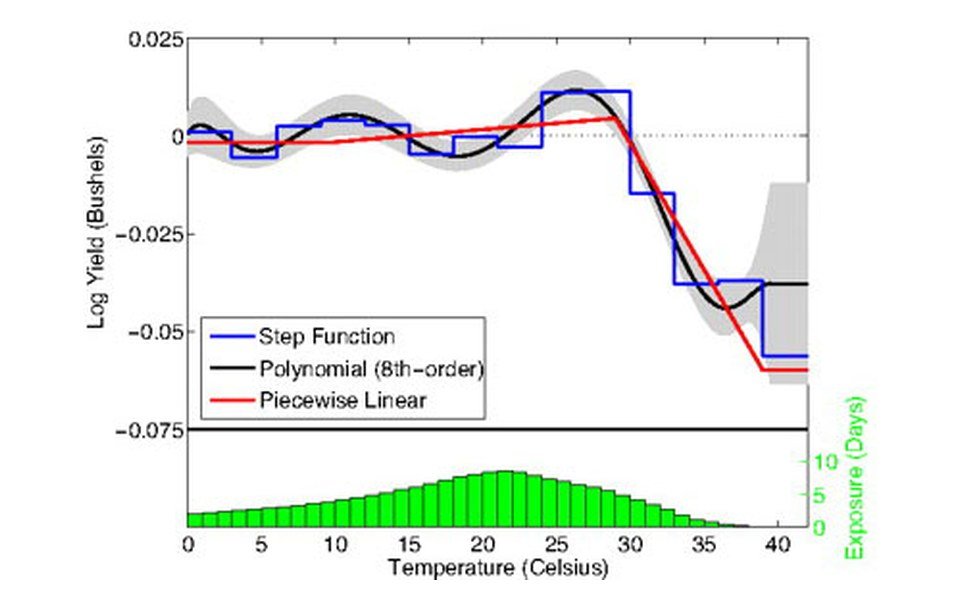
The United States produces 41% of the world's corn and 38% of the world's soybeans. These crops comprise two of the four largest sources of caloric energy produced and are thus critical for world food supply. We pair a panel of county-level yields for these two crops, plus cotton (a warmer-weather crop), with a new fine-scale weather dataset that incorporates the whole distribution of temperatures within each day and across all days in the growing season. We find that yields increase with temperature up to 29 degrees C for corn, 30 degrees C for soybeans, and 32 degrees C for cotton but that temperatures above these thresholds are very harmful. The slope of the decline above the optimum is significantly steeper than the incline below it. The same nonlinear and asymmetric relationship is found when we isolate either time-series or cross-sectional variations in temperatures and yields. This suggests limited historical adaptation of seed varieties or management practices to warmer temperatures because the cross-section includes farmers' adaptations to warmer climates and the time-series does not. Holding current growing regions fixed, area-weighted average yields are predicted to decrease by 30-46% before the end of the century under the slowest (B1) warming scenario and decrease by 63-82% under the most rapid warming scenario (A1FI) under the Hadley III model.

Fisheries Management under Cyclical Population Dynamics

2009 · Environmental and Resource Economics, 42(3): 379-410

with Richard T. Carson, Clive W. J. Granger, and Jeremy B. C. Jackson

Abstract

Cycles in environmental conditions (e.g., sea-surface temperature) directly impact fish growth. This paper extends the classical Gordon-Schaefer fishery model by replacing the constant growth rate with a cyclical growth rate. The optimal harvest rate is shown to fluctuate, but the cycle of the harvest rate lags the cycle of the biological growth function with the highest harvest rate occurring after biological conditions start to decline. Simulations contrast various fishing policies and illustrate the proclivity to crash a fishery if it is wrongfully managed as if there is a constant growth rate with i.i.d. environmental shocks. Finally, we show that small cyclical fluctuations in one species can result in large fluctuations in the optimal harvest rate of another species if the fish species are interlinked through predator-prey relationships.

Sustainable Fisheries

2008 · Nature, 455(7216): 1044-1045

with Geoffrey Heal

Abstract

Fishermen's aims of increasing their catch seem at odds with preserving fish stocks by limiting catch. A study of more than 11,000 fisheries shows that 'individual tradable quotas' can reconcile these goals.

Water Availability, Degree Days, and the Potential Impact of Climate Change on Irrigated Agriculture in California

2007 · Climatic Change, 81(1): 19-38

with W. Michael Hanemann and Anthony C. Fisher

Abstract

We use the geo-referenced June Agricultural Survey of the U.S. Department of Agriculture to match values of individual farms in California with a measure of water availability as mediated through irrigation districts, and degree days, a nonlinear transformation of temperature, controlling for other influences on value such as soil quality, to examine the potential effects of climate change on irrigated agriculture in California. Water availability strongly capitalizes into farmland values. The predicted decrease in water availability in the latest climate change scenarios downscaled to California can therefore be expected to have a significant negative impact on the value of farmland.

Nonlinear Effects of Weather on Corn Yields

2006 · Review of Agricultural Economics, 28(3): 391-398

with Michael J. Roberts

Abstract

This paper examines the reduced-form relationship between weather and yields using a unique data set of corn yields and daily weather records covering the eastern United States for 1950–2004. Since weather variations in a fixed location are exogenous and random, the reduced-form relationship constitutes a viable natural experiment and is therefore clearly identified. Understanding the precise link between heat and crop yields could have implications for the effects of climate change on food supply. It may also facilitate the creation of financial instruments that may be used to insure crop yield risk without inducing moral hazard.

The Impact of Global Warming on U.S. Agriculture: An Econometric Analysis of Optimal Growing Conditions

2006 · Review of Economics and Statistics, 88(1): 113-125

with W. Michael Hanemann and Anthony C. Fisher

Abstract

We link farmland values to climatic, soil, and socioeconomic variables for U.S. counties east of the 100th meridian, the historical boundary of agriculture not primarily dependent on irrigation. Degree days, a nonlinear transformation of the climatic variables suggested by agronomic experiments as more relevant to crop yield, gives an improved fit and increased robustness. Estimated coefficients are consistent with the experimental results. The model is employed to estimate the potential impacts on farmland values for a range of recent warming scenarios. The predictions are very robust, and more than 75% of the counties in our sample show a statistically significant effect, ranging from moderate gains to large losses, with losses in the aggregate that can become quite large under scenarios involving sustained heavy use of fossil fuels.

Will U.S. Agriculture Really Benefit from Global Warming? Accounting for Irrigation in the Hedonic Approach

2005 · American Economic Review, 95(1): 395-406

with W. Michael Hanemann and Anthony C. Fisher

Abstract

There has been a lively debate about the potential impact of global climate change on U.S. agriculture. Most of the early agro-economic studies predicted large damages. In an innovative paper Robert Mendelsohn, William D. Nordhaus and Daigee Shaw (1994), hereafter MNS, propose a new approach: using the variation in temperature and precipitation across U.S. counties to estimate a reduced-form hedonic equation with the value of farmland as the dependent variable. A change in temperature and/or precipitation is then associated with a change in farmland value, which can be interpreted as the impact of climate change. In this paper we focus on [...] the role of irrigation. We provide an empirical test. Once irrigation is accounted for, we show that results also become robust across weighting schemes or models. Elsewhere we extend the analysis in various directions: construction and use of climate variables tied more closely to agronomic findings; development of more accurate measures of both climate and soil conditions; adjustment for spatial correlation of the error terms in a hedonic regression; and use of recent climate scenarios that go beyond the traditional assumption of uniform impacts across regions of a doubling of greenhouse gas concentrations in the atmosphere. We note here that none of the implied changes in the analysis affects the arguments concerning irrigation discussed in this paper.